The global rattan furniture market is experiencing significant growth as international buyers increasingly prioritize sustainable and aesthetically pleasing options. Indonesia, with its rich tradition and expertise in rattan craftsmanship, stands out as a key supplier. For wholesale buyers, understanding the nuances of sourcing from Indonesia is essential, from navigating SVLK certifications to optimizing container loads for efficient shipping.
Rattan Furniture Market Growth Drivers
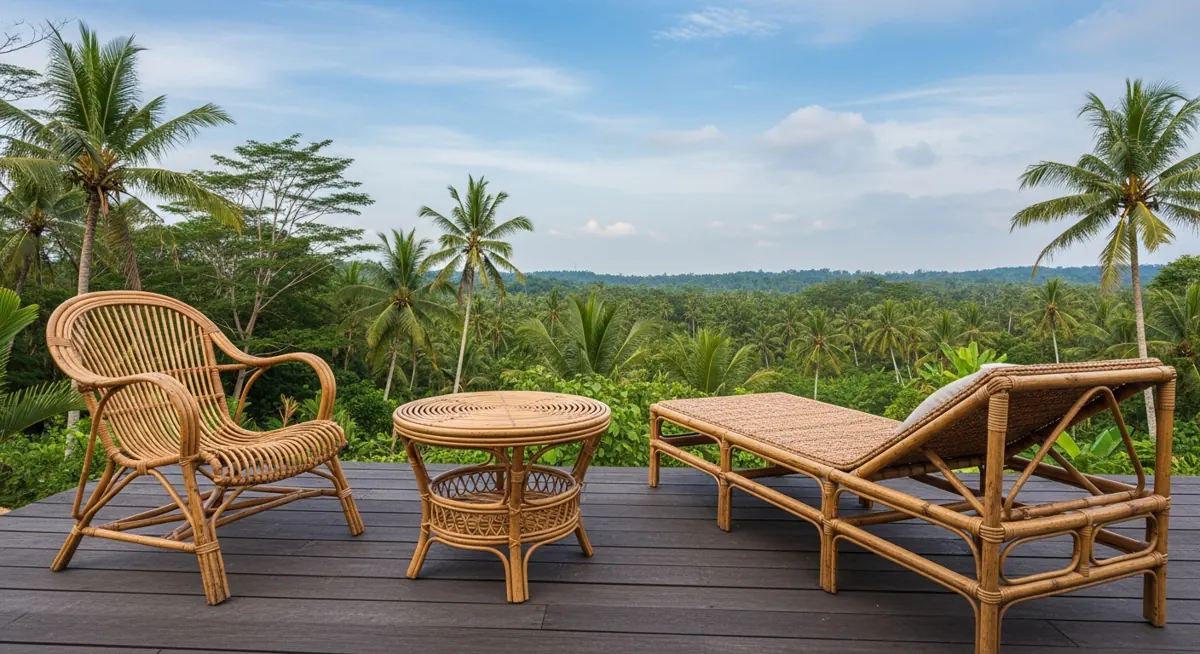
The surge in global demand for rattan furniture is underpinned by several key factors. Firstly, the increasing consumer preference for eco-friendly products has propelled rattan, a sustainable material, to the forefront. Consumers are more environmentally conscious, seeking products that align with their values, and rattan fits this demand perfectly. Secondly, the aesthetic appeal of rattan furniture, with its natural and versatile look, makes it ideal for both indoor and outdoor settings, catering to diverse consumer tastes. Furthermore, the durability and lightweight nature of rattan make it a practical choice for furniture, particularly in hospitality and commercial settings. As the hospitality industry rebounds post-pandemic, the need for stylish yet durable furniture solutions has increased, further driving demand. Indonesia’s role as a leading exporter, backed by SVLK certification, ensures legally sourced timber, enhancing buyer confidence in the product’s legality and sustainability.
Indonesia’s Competitive Advantage in Rattan Furniture
Indonesia holds a competitive edge in the global rattan furniture market due to its established industry expertise and abundant natural resources. The country’s longstanding tradition in furniture crafting, particularly in regions like Bali and Jepara, ensures high-quality production standards. The SVLK (Sistem Verifikasi Legalitas Kayu) certification, a mandatory requirement for all wood-product exporters, gives Indonesian rattan furniture a distinct advantage. This certification guarantees that the timber used is legally harvested and traceable, aligning with international regulations such as the EU Deforestation Regulation and the US Lacey Act. Buyers can verify the legality of Indonesian timber through the SVLK/V-Legal system. Additionally, Indonesia’s strategic location in Southeast Asia offers logistical benefits, reducing shipping times to key markets like the US, EU, and Australia. With a lead time of approximately 30-60 days for production and 3-5 weeks for sea freight, buyers can expect timely delivery of their orders.
Materials and Production Capabilities
Indonesia’s rattan furniture industry is renowned for its diverse range of materials and production capabilities. Key materials include natural rattan, synthetic/PE all-weather rattan, solid teak, reclaimed teak, mahogany, suar/acacia, water hyacinth, and seagrass. Each material offers unique benefits, from the durability of teak to the lightweight nature of rattan. Factories in Indonesia offer OEM/ODM services, allowing buyers to customize designs according to their specifications. This includes selecting materials, finishes, and branding options, ensuring the final product meets the buyer’s market requirements. Pre-production samples are typically provided to ensure quality and design alignment before bulk production. Buyers can expect per-item MOQs ranging from 5-20 pieces for solid-wood furniture and 10-30 pieces per model/colour for woven/rattan items. The flexibility to mix models and materials within a container, provided MOQs are met, further enhances sourcing efficiency.
Optimizing Container Loads and Shipping
For international buyers, optimizing container loads is crucial to maximizing shipping efficiency. Indonesian exporters typically utilize 20ft, 40ft, and 40ft High Cube (40HQ) containers, with usable loading volumes of approximately 28 CBM, 58 CBM, and 68 CBM, respectively. Bulky upholstered or woven pieces tend to “cube out” before reaching weight limits, while dense knock-down items may hit weight limits first. Understanding these dynamics is essential for planning shipments effectively. The most common Incoterm used is FOB, where the seller handles export clearance and loading at the Indonesian port, and the buyer books sea freight and insurance. Main export ports include Tanjung Perak in Surabaya, Tanjung Emas in Semarang, and Benoa in Bali. Buyers should confirm schedules for sea-freight transit times, which are approximately 3-5 weeks for deliveries to the US, EU, and Australia.
Legal and Certification Considerations
Ensuring compliance with international regulations is a critical aspect of sourcing rattan furniture from Indonesia. The SVLK certification is mandatory for all wood-product exports, providing a V-Legal Document that verifies the timber’s legal sourcing and traceability. This certification is a cornerstone of Indonesia’s FLEGT partnership with the EU and supports buyers’ due diligence under the EU Deforestation Regulation and the US Lacey Act. Buyers should remember that while SVLK provides strong legality evidence, they must maintain their own due-diligence records. Some factories also offer FSC certification, which, while voluntary, adds an additional layer of sustainability assurance. It is important for buyers to verify certification validity and compliance through official sources like the Wikipedia page on rattan.
Negotiating Terms and Conditions
When engaging with Indonesian suppliers, understanding and negotiating terms is vital for a successful transaction. Payment terms typically involve a deposit of approximately 30-50% via T/T (bank transfer) to initiate production, with the balance payable against a copy of the Bill of Lading (B/L). These terms can be negotiated, especially for repeat buyers, to foster long-term relationships. Buyers are encouraged to request detailed quotes that outline pricing per material, grade, specification, finish, volume, and Incoterm to ensure transparency. It is advisable to confirm all terms and production timelines through an RFQ process, which provides a formal platform for discussing specific requirements and expectations.
Future Trends in the Rattan Furniture Market
Looking ahead, the rattan furniture market is poised for continued growth, driven by evolving consumer preferences and sustainability trends. The increasing focus on environmentally friendly products and the versatility of rattan in contemporary design are expected to sustain demand. Furthermore, innovations in material treatments and design processes will likely enhance the appeal of rattan furniture in various markets. Indonesia’s commitment to sustainable practices and quality craftsmanship positions it well to meet future demand. Buyers seeking to capitalize on these trends should prioritize establishing strong supplier relationships and staying informed about industry developments. For more information on sourcing rattan furniture from Indonesia, visit our sourcing guide.
For inquiries and detailed quotes, we invite you to contact us or submit a request for quote (RFQ) for personalized assistance. Our team is ready to support your sourcing needs with expertise and transparency.