As an experienced Indonesian furniture export manager, I understand that sourcing rattan furniture for export to Japan requires a strategic approach. Our focus is on delivering high-quality, legally compliant products that meet Japan’s exacting standards. This page outlines the essentials for international wholesale buyers, importers, retailers, and hotel procurement professionals interested in our offerings.
Understanding Japan’s Import Requirements for Rattan Furniture
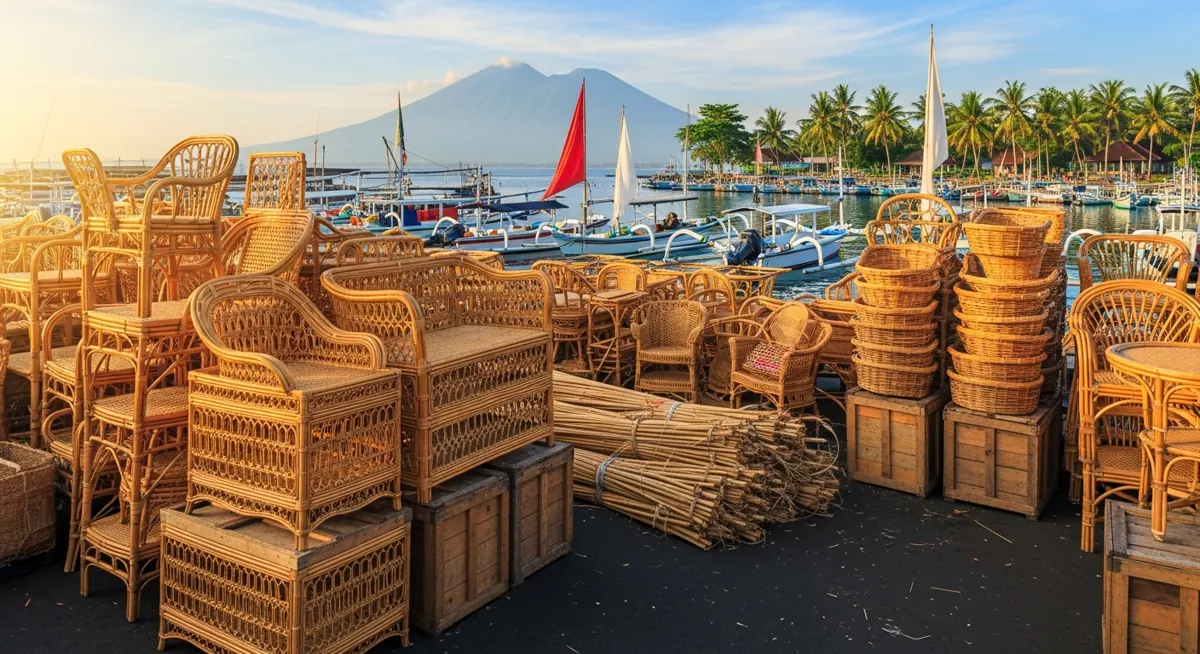
Japan’s import regulations for rattan furniture emphasize quality, safety, and sustainability. As a country known for its meticulous standards, Japan requires that all imported furniture complies with its Energy Conservation Act and other relevant regulations. For Indonesian exporters, this means ensuring that all rattan furniture shipments come with Indonesia’s mandatory SVLK certification. The SVLK (Sistem Verifikasi Legalitas Kayu) provides a V-Legal Document that verifies the legality of the timber used, aligning with Japan’s sustainability expectations. By adhering to these regulations, exporters can ensure a smooth entry into the Japanese market, minimizing potential delays and complications at customs.
Choosing the Right Materials for Export
When exporting rattan furniture to Japan, selecting the appropriate materials is crucial. Our offerings include natural rattan, synthetic/PE all-weather rattan, and solid wood options like teak and mahogany. Each material offers unique benefits, and the choice depends on the buyer’s specific needs. For instance, natural rattan provides an authentic, eco-friendly appeal, while synthetic rattan offers durability and weather resistance, ideal for outdoor settings. Our rattan furniture market trends page offers insights into current preferences and innovations. By understanding the material preferences of the Japanese market, buyers can make informed decisions that cater to local tastes and demands.
Material Grades and Finishing Options
Understanding the different grades of materials and finishing options is essential for meeting the diverse needs of the Japanese market. Rattan, for instance, is available in various grades, from premium to standard, each offering different levels of durability and aesthetic appeal. The finishing process is equally important, as it enhances the furniture’s longevity and visual appeal. We offer a range of finishes, including natural, lacquered, and painted options, catering to different stylistic preferences. Additionally, our finishing techniques ensure that the furniture is protected against environmental factors, which is crucial for maintaining quality over time.
Quality Control and Assurance
Quality control (QC) is a critical component of our export process. We employ rigorous QC protocols to ensure that every piece of furniture meets the highest standards. Our QC team conducts thorough inspections at various stages of production, from sourcing raw materials to final assembly. This meticulous attention to detail helps us maintain consistent quality and reliability. Furthermore, we welcome third-party inspections by buyers to verify compliance with specific requirements. Our commitment to quality assurance builds trust with our clients and ensures that our products consistently meet or exceed expectations.
Meeting Minimum Order Quantities (MOQ)
Understanding the minimum order quantities (MOQs) is essential for efficient sourcing. For rattan furniture, MOQs typically range from 10-30 pieces per model or color, depending on the design and complexity. Solid wood furniture usually requires a MOQ of 5-20 pieces per item. The minimum order is generally one 20-foot container, approximately 25-28 CBM. This allows for mixed-model and mixed-material containers, provided each item meets its MOQ. Our furniture export shipping process page provides further details on how we manage container loads to optimize shipping efficiency and costs.
Packing and Packaging Standards
Proper packing and packaging are crucial to ensure that furniture arrives at its destination in perfect condition. We utilize high-grade materials and techniques to protect each piece during transit. Items are carefully wrapped in protective materials and placed in sturdy cartons to prevent damage. Additionally, we use moisture-resistant packaging for items destined for more humid climates. Our attention to detail in packing not only safeguards the furniture but also enhances the unboxing experience for the end-user. By adhering to these standards, we minimize the risk of damage and ensure customer satisfaction.
Container Specifications and Loading Capacities
Efficient container loading is vital for cost-effective exporting. A 20-foot container can typically hold about 28 CBM of furniture, while a 40-foot container accommodates approximately 58 CBM. For larger shipments, a 40-foot High Cube (40HQ) offers around 68 CBM. It’s important to consider the nature of the furniture when planning shipments. Bulky upholstered or woven pieces tend to fill the volume quickly, whereas dense knock-down items might reach weight limits first. Understanding these dynamics helps in planning and optimizing shipments to Japan.
Incoterms and Shipping Ports
Choosing the right Incoterms and shipping ports is crucial for smooth logistics. FOB (Free on Board) is the most common term used, where the seller handles export clearance and loading at the Indonesian port. Buyers can also opt for CFR/CNF or CIF terms. The main furniture export seaports include Tanjung Perak in Surabaya, Tanjung Emas in Semarang, and Benoa in Bali. These ports are strategically located to facilitate efficient shipping to Japan, reducing transit times and ensuring timely delivery. For more on our shipping strategies, visit our market-specific imports page.
Production Lead Times and Payment Terms
Production lead times for rattan furniture are typically 30-60 days, depending on the order size and finishing requirements. This timeline ensures that quality standards are met without rushing the manufacturing process. Sea freight transit to Japan is generally shorter compared to other regions, but it varies by route and season. Payment terms usually involve a deposit of approximately 30-50% by T/T (bank transfer) to initiate production, with the balance due against a copy of the Bill of Lading (B/L). These terms are negotiable for repeat buyers, allowing for flexibility and trust-building.
Importance of SVLK Certification
SVLK certification is mandatory for all Indonesian furniture exports and serves as a reflection of the legality and traceability of the timber used. This certification is crucial for accessing the Japanese market, as it aligns with both the EU Deforestation Regulation and the US Lacey Act. While SVLK provides a strong legality baseline, some factories may also offer FSC certification for additional sustainability assurance. Buyers are encouraged to verify the certification status during the RFQ process to ensure compliance with international standards.
Contact Us for a Request for Quote (RFQ)
For detailed pricing based on materials, specifications, and Incoterms, we invite you to contact us for a Request for Quote (RFQ). Our team is ready to provide tailored solutions that meet your specific needs and preferences for the Japanese market. Visit our contact page for more information or reach out via WhatsApp at +62 811-3941-4563 or email at [email protected]. We look forward to assisting you in sourcing premium rattan furniture from Indonesia.