As an experienced furniture-export manager in Indonesia, I understand the critical nuances that international wholesale buyers face when sourcing rattan furniture. Whether you’re importing for retail, interior design projects, or large-scale hospitality procurement, knowing the distinctions between indoor rattan furniture and outdoor rattan furniture can optimize your purchasing decisions. This page provides a comprehensive guide to these differences, ensuring you make informed choices when dealing with Indonesian suppliers.
Materials: Natural vs. Synthetic Rattan
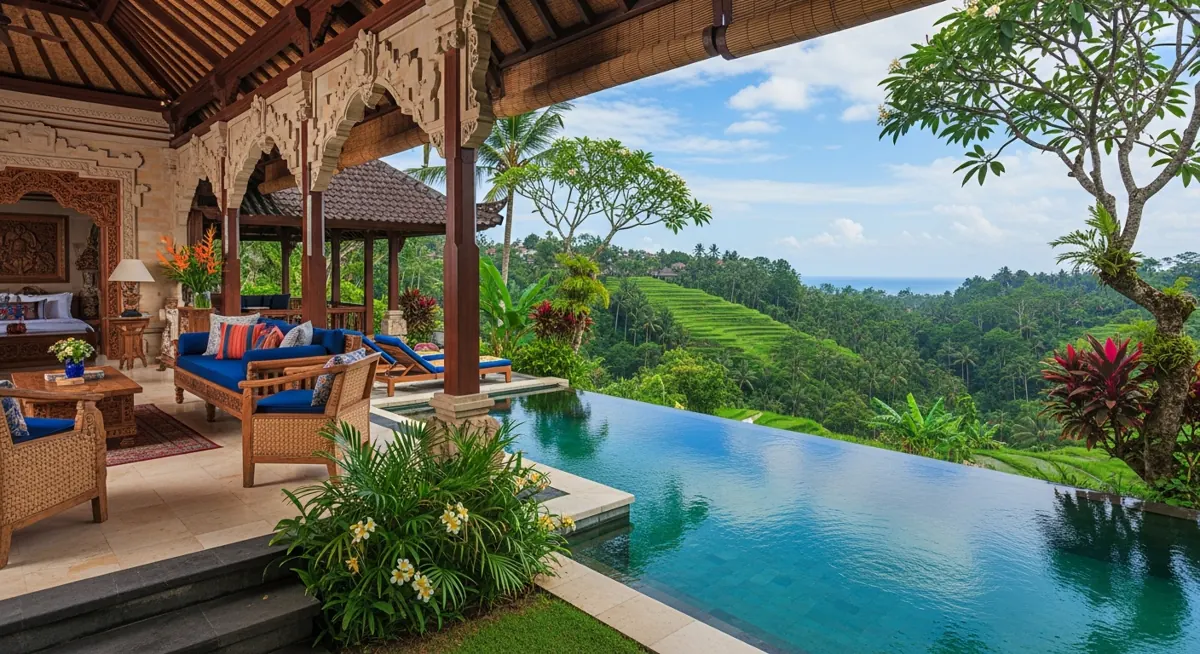
The primary difference between indoor and outdoor rattan furniture lies in the materials used. Indoor rattan furniture often utilizes natural rattan, a vine-like palm native to tropical regions. Known for its flexibility and strength, natural rattan is ideal for creating intricate designs and comfortable indoor seating. However, it is not weather-resistant and is best kept away from moisture and direct sunlight. On the other hand, outdoor furniture typically uses synthetic rattan, also known as PE rattan. This material is specifically engineered to withstand outdoor conditions, including UV rays and rain. It mimics the appearance of natural rattan but offers enhanced durability and weather resistance, making it suitable for outdoor settings. Suppliers in Indonesia can provide both types, catering to different needs and preferences of international buyers. Understanding these material differences is essential when selecting rattan furniture for specific environments.
Construction and Design Considerations
When sourcing rattan furniture, construction and design are crucial factors that differ between indoor and outdoor pieces. Indoor rattan furniture often features intricate weaving patterns and detailed craftsmanship, leveraging the flexibility of natural rattan. This allows for elegant and complex designs suitable for various interior styles, from traditional to contemporary. In contrast, outdoor rattan furniture prioritizes durability and functionality. The construction typically involves a sturdier frame, often made of aluminum or steel, to support the synthetic rattan weave. These frames are treated to resist rust and corrosion, ensuring longevity in outdoor environments. Design-wise, outdoor pieces may have a more robust and straightforward aesthetic, focusing on comfort and practicality. Both indoor and outdoor furniture can be customized in terms of color and finish to align with specific design requirements. Buyers should consider their target market’s preferences and the intended use of the furniture when making purchasing decisions.
MOQ and Container Loading
Understanding Minimum Order Quantity (MOQ) and container loading is vital for international buyers sourcing rattan furniture from Indonesia. Typically, the per-item MOQ for natural rattan furniture ranges from 10 to 30 pieces per model or color. For outdoor synthetic rattan, the MOQ is similar, ensuring efficient production and shipping processes. A standard minimum order usually fills one 20ft container, approximately 25-28 CBM, allowing for mixed-model and mixed-material loads if each item meets its MOQ. Container loading capacity varies: a 20ft container holds about 28 CBM, a 40ft about 58 CBM, and a 40HQ around 68 CBM. It’s crucial to optimize container space to reduce shipping costs. Dense, knock-down items may hit weight limits before volume capacity, while bulky upholstered or woven pieces may fill the volume first. Understanding these logistics ensures efficient and cost-effective shipping.
Lead Times and Incoterms
Lead times and Incoterms are integral to planning international shipments of rattan furniture. Production lead times in Indonesia typically range from 30 to 60 days, depending on the order size and complexity of the finish. It’s advisable to confirm these timelines with suppliers as they can vary based on current workloads and other factors. For shipping, FOB (Free On Board) is the most common Incoterm, where the seller handles export clearance and loading at Indonesian ports such as Tanjung Perak, Tanjung Emas, or Benoa. Buyers are responsible for booking sea freight and insurance. Alternatively, CFR/CNF and CIF terms can be negotiated where the seller manages more of the shipping process. Sea freight transit times vary; shipping to the US, EU, and Australia typically takes 3-5 weeks, while routes to the Middle East and Asia are shorter. Confirm current schedules to ensure timely delivery.
Certifications: SVLK and Beyond
Certifications play a crucial role in the international furniture trade, providing buyers with assurance of legality and sustainability. Indonesia mandates the SVLK (Sistem Verifikasi Legalitas Kayu) certification for all wood-product exports, including rattan furniture with wooden components. This certification ensures that the timber is legally harvested and traceable, supporting compliance with regulations such as the EU Deforestation Regulation and the US Lacey Act. While SVLK offers a legality baseline, some suppliers may also provide FSC certification for additional sustainability credentials. Buyers should verify the presence of these certifications when sourcing furniture to meet their due diligence requirements. For more information about SVLK, visit the SVLK/V-Legal official site. Understanding these certifications helps buyers make informed, responsible purchasing decisions.
Pricing and Negotiation
Pricing for indoor and outdoor rattan furniture is typically quoted per order, considering factors such as material, grade, specification, finish, volume, and Incoterm. As prices can fluctuate, it’s essential to request a formal quote (RFQ) from suppliers to obtain accurate pricing. Negotiations are possible, especially for repeat buyers or large-volume orders. Payment terms generally include a deposit of approximately 30-50% by T/T (bank transfer) to initiate production, with the balance due against a copy of the Bill of Lading. Terms can be adjusted based on the buyer-supplier relationship and order history. Buyers are encouraged to establish clear communication with suppliers to negotiate favorable terms and ensure a smooth transaction process.
Indonesia’s Furniture Export Hubs
Indonesia is renowned for its diverse furniture production hubs, each offering unique expertise and styles. Jepara, in Central Java, is famous for its teak and carved furniture, with a rich history of craftsmanship. It is an ideal source for buyers seeking classic and solid-wood designs. Bali, on the other hand, is known for its contemporary and design-led pieces, including rattan and outdoor furniture. Buyers can explore OEM (Original Equipment Manufacturer) and ODM (Original Design Manufacturer) options, allowing customization according to specific design and branding requirements. Export markets predominantly include the US, EU, Australia, the Middle East, and Japan, reflecting the global appeal of Indonesian furniture. For more information about Jepara’s furniture history, visit the Jepara Wikipedia page. Understanding these hubs helps buyers align their sourcing strategies with their market needs.
To explore our range of indoor and outdoor rattan furniture, and to request a quote, please contact us. Our team is ready to assist you in specifying your requirements and ensuring a smooth procurement process. Begin your sourcing journey with us today.